


ASAHI INTECC. Your dreams. Woven together.

Asahi Intecc Co., Ltd. is a partner company of the Pasona Group Pavilion,
PASONA NATUREVERSE, at the Expo 2025 Osaka, Kansai, Japan.

Pavilion Concept
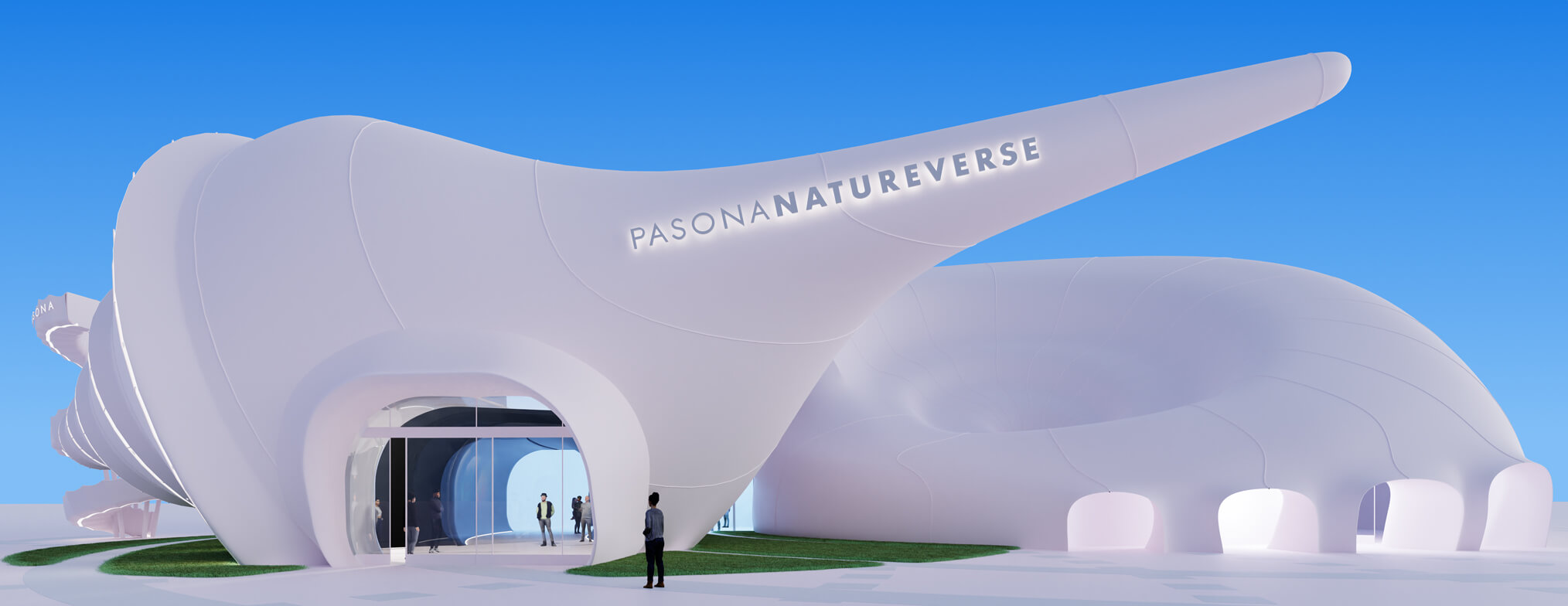

“Thank You, Life.”
We are proud to present exhibits on the future of life in a diverse range of forms under the theme “Body, Minds, and Bonds,” all guided by executive producer Dr. Yoshiki Sawa, Professor Emeritus of Osaka University.
To create a world in which all people, from children to the elderly, honor life and are filled with appreciation for life.
This is the hope embraced by the PASONA NATUREVERSE.
Exhibition Theme
21XX
Remote Intervention Operation Center
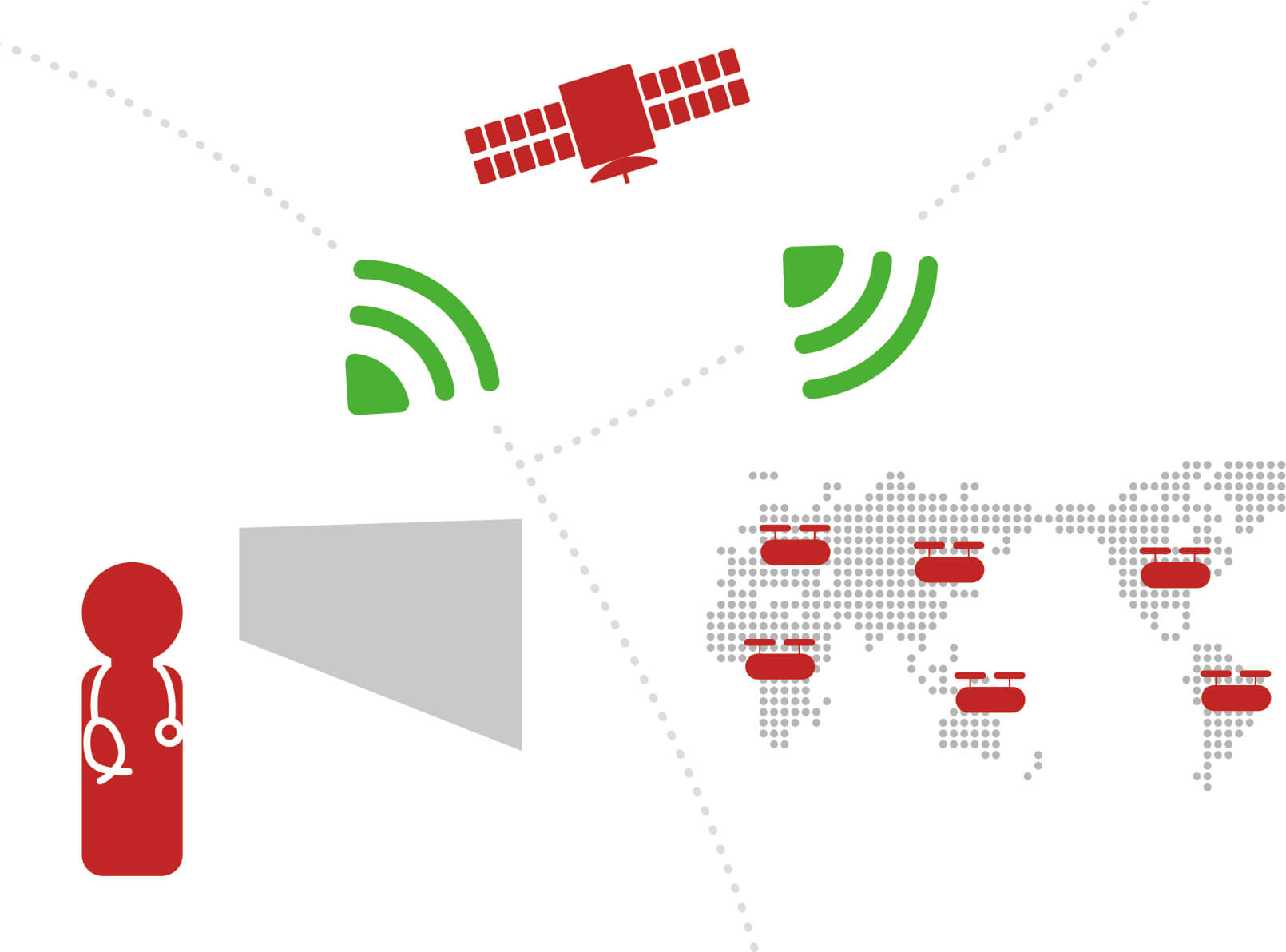
Remote operation centers — medical command centers connected to flying operation rooms located around the world via ultra-high-speed communication satellites — enable doctors to remotely perform catheter operations, microrobot operations, robotic surgeries, and so on, in accordance with patients’ conditions. Remote operation centers serve to continuously protect people’s lives around the world 24 hours a day, 365 days a year.
Asahi Intecc’s Challenge:
Making Our Integrated Technologies Available to All
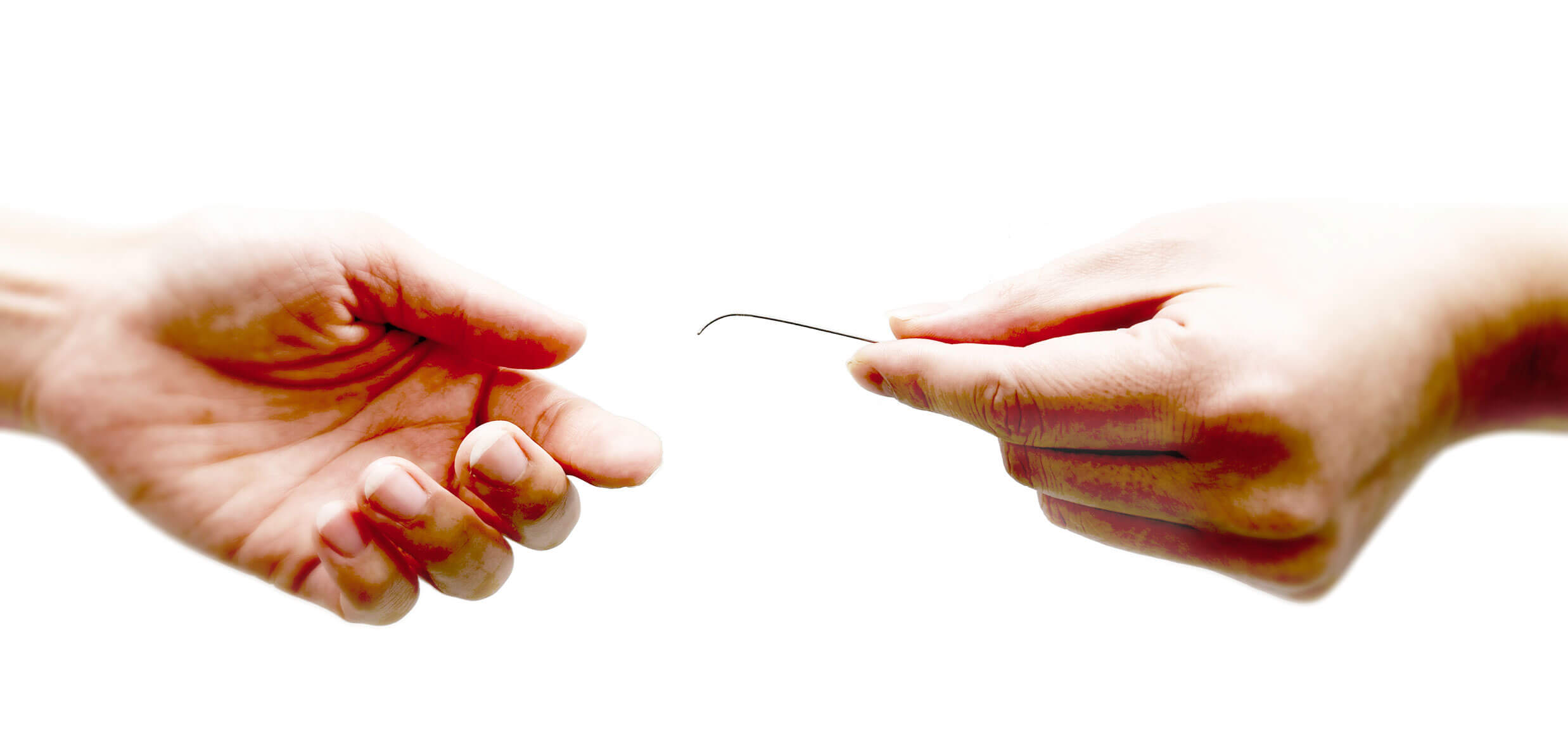
At Asahi Intecc since the beginning we have been committed to providing assistance at the medical frontlines to support the lives of all. We do this with the original technologies we have developed, focusing particularly on wires. We continue to build on those technologies, inspired with the backing we enjoy from healthcare professionals, patients, and many others.
These continuously refined technologies pulse through our company day by day as the life force that drives us. It is our hope and our mission to make this life force entrusted to us available to all people. We want to help everyone overcome all barriers to support their dreams and lives of happiness. We are committed to helping to build this kind of future.
What Is Catheterization?
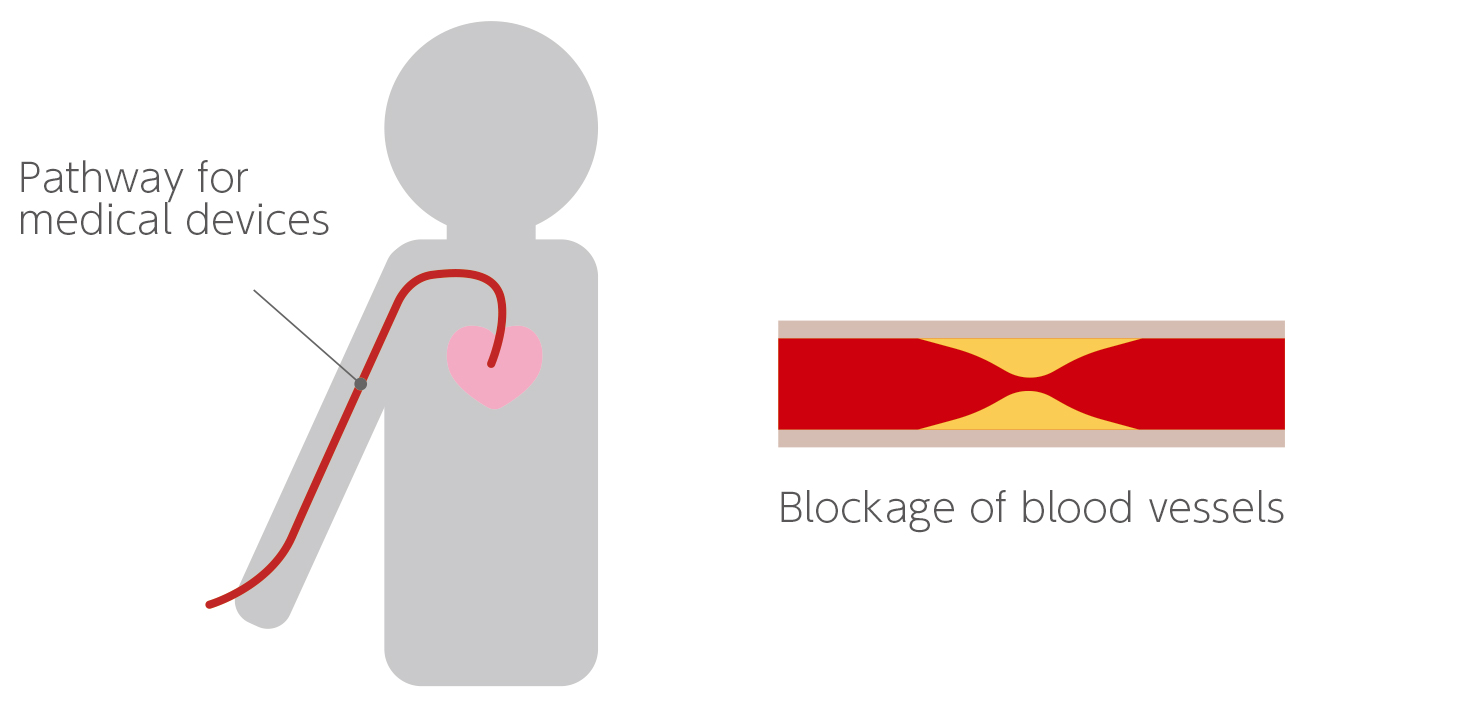
Catheterization is a method of endovascular treatment and intervention that places a relatively low burden on the body. It involves the endovascular insertion of medical devices suited to treating lesions (areas damaged by injury or disease) in blood vessels. Blood vessel blockages are a typical example of lesions, in which bloodstream obstructions prevent nutrients from being supplied to cells beyond the blockage, leading to a variety of ailments. Catheterization provides a safe, effective method of treatment by providing direct access to lesions via blood vessels. The medical devices used in catheter treatments supply a range of different roles, with typical examples including conveyance and expansion.
1. Conveyance
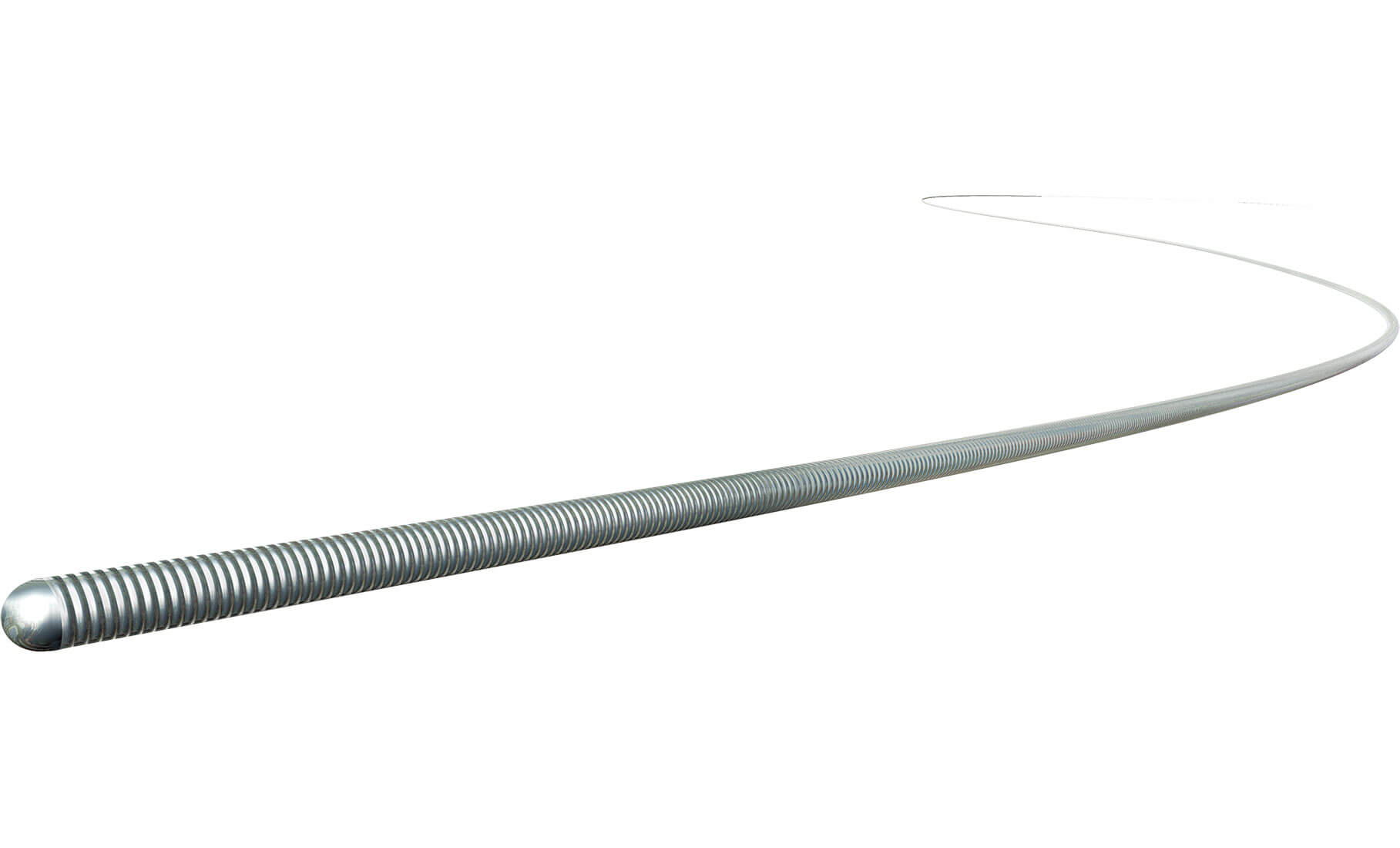

Healing blood vessel blockages requires conveying medical devices to sites of blockage. Names for the medical devices responsible for this transporting role include guidewires and guiding catheters. First, guiding catheters secure passageways for guidewires as far as heart valves. These catheters feature cylindrical shapes allowing guidewires to pass through them. Additionally, a variety of different devices are inserted into and removed from guiding catheters in the course of treatments. The primary role of guiding catheters is to protect blood vessels from damage caused by this insertion and removal. After guiding catheters secure these passageways, the guidewires come into play. Responsible for the rest of the passage, guidewires are the first to arrive at the lesion site.
2. Expansion
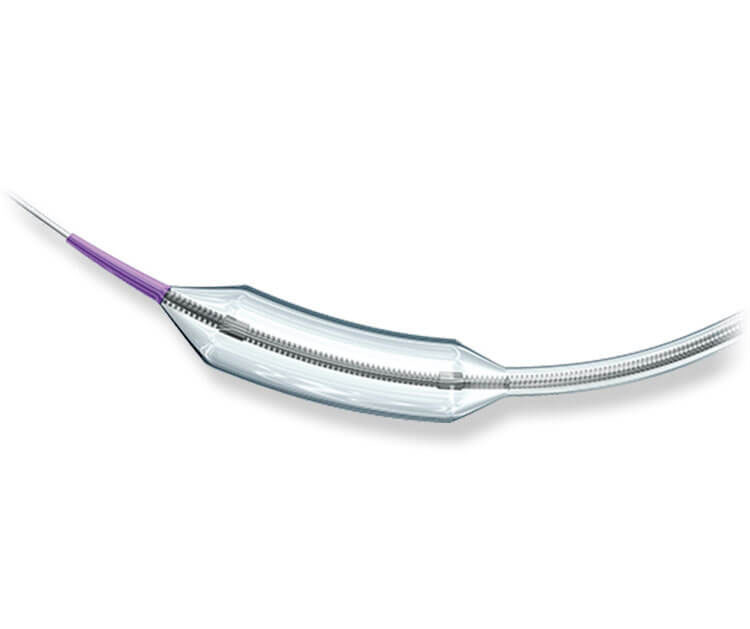
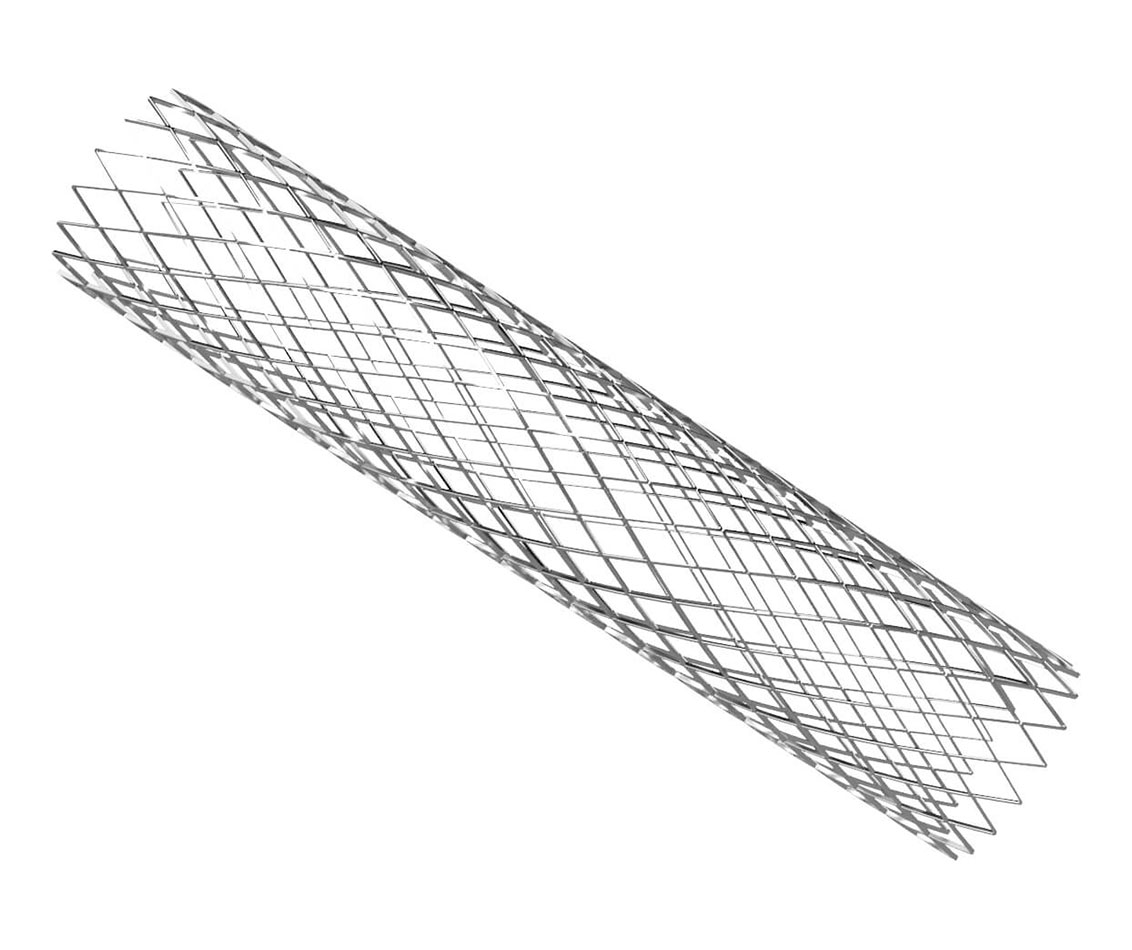
Once conveyed to lesions, medical devices designed to provide healing treatment expand from the sites of blockage to secure passageways through blood vessels. Devices that serve to provide expansion in this way are called balloon catheters. Establishing pathways like this improves blood flow and allows nutrients to be delivered beyond blockage sites. Finally, devices designed to maintain the shapes of expanded blood vessels, keeping them from reverting to their previous forms, are called stents. Made of metal with mesh shapes, stents stay expanded to appropriate widths to maintain passageways through blood vessels.
Exhibition Overview


Three exhibition zones showcase the present, near future, and future of catheter treatments. The Present Zone and Near Future Zone offer game-like atmospheres in which visitors can experience basic catheterization technologies and the state-of-the-art technologies expected to be developed in the near future.


The Present Zone allows visitors to try their hand at blood vessel selection with guidewires, as in actual use in present-day catheter treatments, with a video game format. Try maneuvering guidewires to reach the goal displayed!
Key Tips
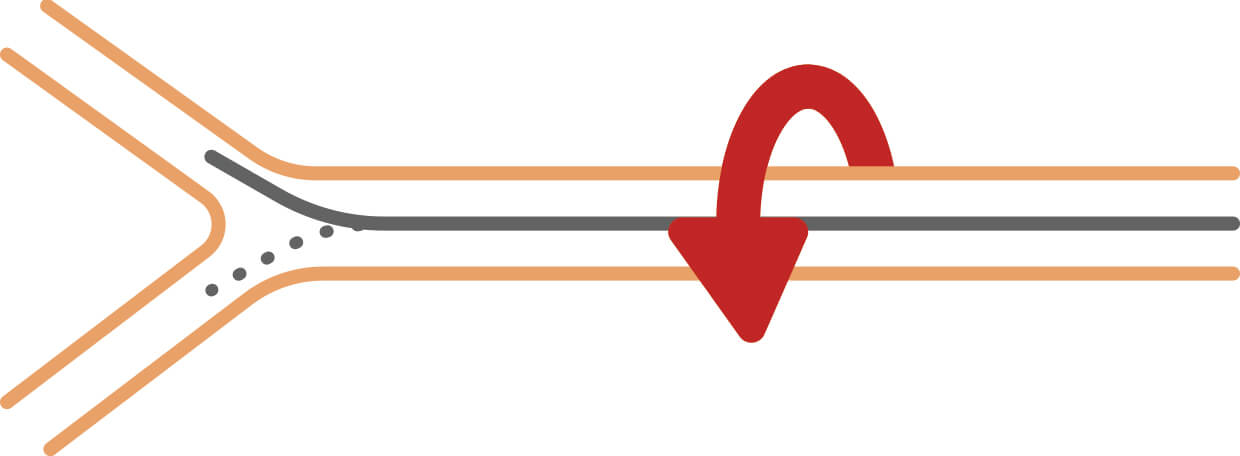
Guidewires are extremely fine and delicate tools. Use pushing/pulling and rotating actions to advance them through blood vessels. Rotating will enable you to select between branching blood vessels. Rotate guidewires to select which branch to take.
Trivia
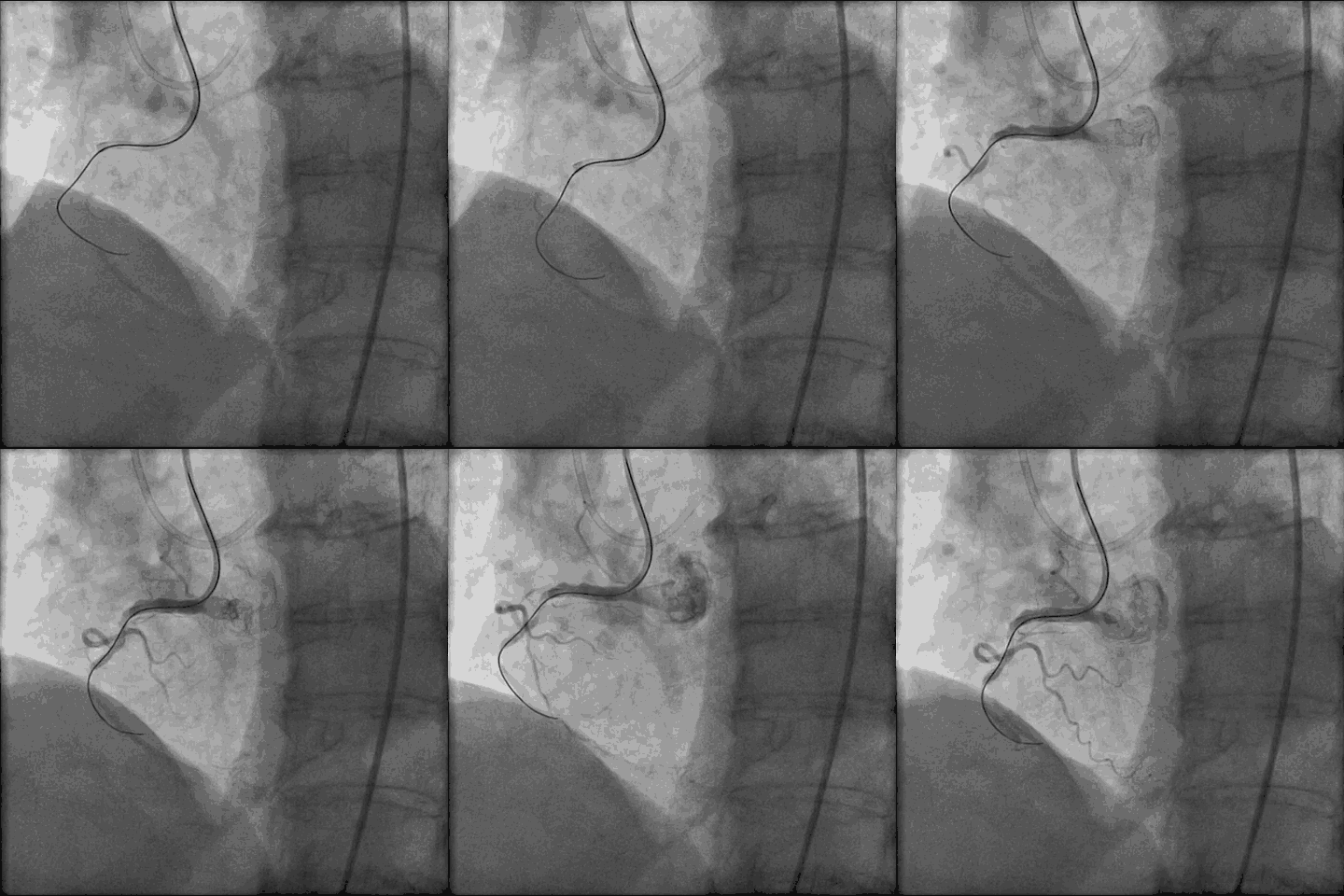
In actual surgery, a substance called a contrast medium is used to show the locations of blood vessels while two-dimensional black-and-white images taken with X-rays are referenced. Since X-rays alone will not show the blood vessels, doctors use images of the moment the contrast medium was injected into the vessels to lead them to the sites of lesions, maneuvering guidewires.


The Near Future Zone offers experiences of future catheterization methods utilizing technologies expected to be developed in the near future. As in the Present Zone, visitors to the Near Future Zone can experience this in a video game format. Try your hand at near-future approaches to catheterization that make the most of state-of-the-art technologies that clearly display blood vessels’ locations and conditions!
Key Tips

Maneuver guidewires through blood vessels displayed in three dimensions with technologies providing visualization and tactile expression. You will see that using the controller to maneuver the guidewires this way is easier than with methods currently in use. Try to reach lesion sites without bumping into vessel walls!
Leveraging New Technologies
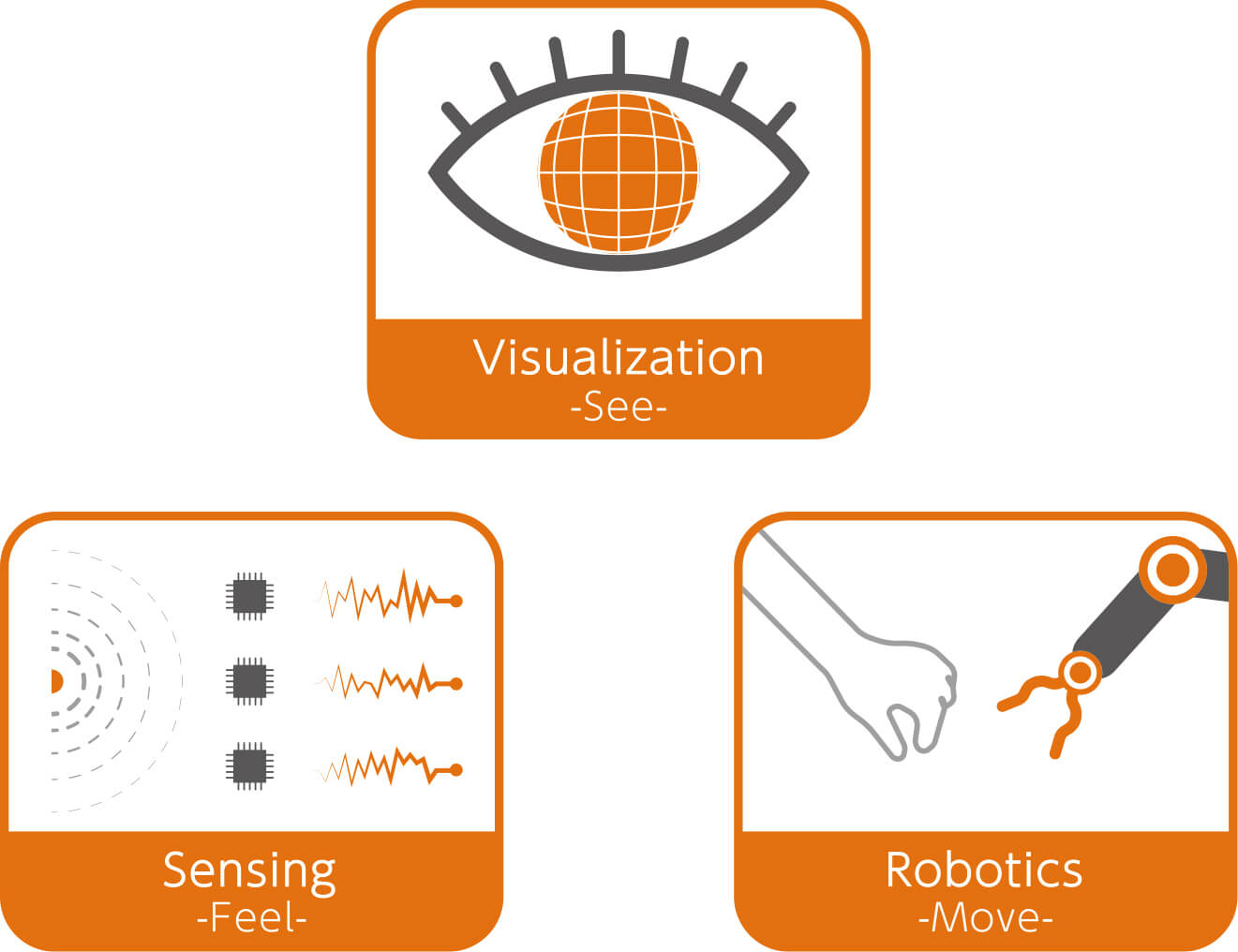
Projections for the near future entail broad utilization of technologies in three key categories — visualization, sensing, and robotics — enabling the provision of medical treatments in any location, achieving much greater sophistication than the medical practices of today. Visualization technologies will enable more intuitive imagery display in comparison with the grainy images associated with typical X-rays. Also, sensing technologies will enable data collection concerning the insides of blood vessels and various other aspects of patients’ bodies, leading to greatly improved accuracy in doctors’ diagnoses. In conjunction with robotics technologies, these will enable a shift from operations performed with human hands to approaches incorporating support from ultra-high-precision robots to achieve safer, more advanced surgery.
1. Sensing: Ultra-Sensitive Magnetic-Field Sensors
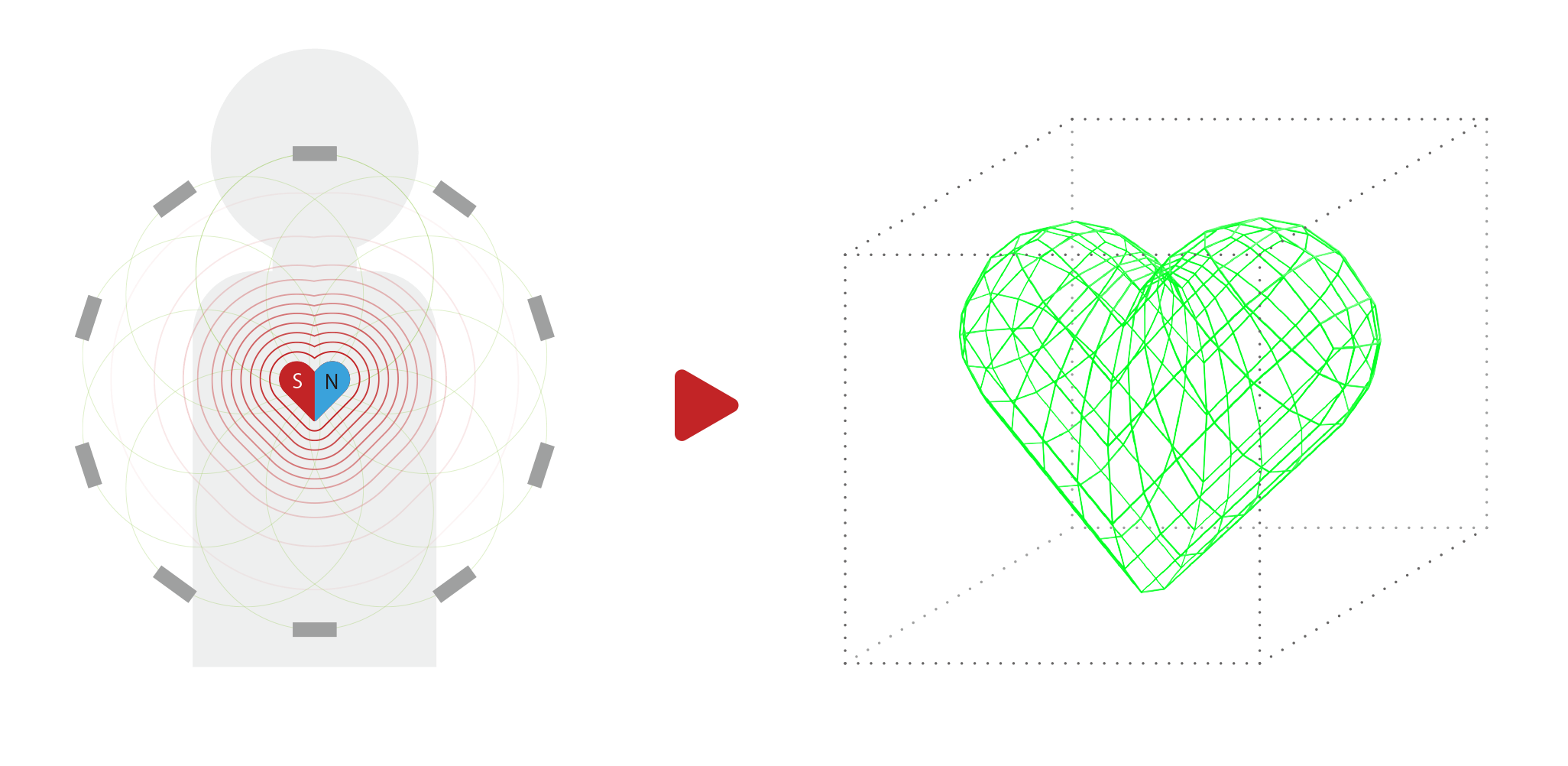
Multi-channel magnetic-field sensors measure the extremely weak magnetic field generated by the human heart to create a three-dimensional representation. This enables visualization of heart and brain activity with higher spatial resolution and sensitivity than electricity. Current-induced magnetic tomography (CIMT) also enables visualization of the inside of the human body based on differences in current density through the application of electricity, making it possible to perform MRI-like cross-sectional imaging of the human body in a simplified manner. In addition, this offers the advantage of not exposing the patient to radiation, greatly reducing the physical burden on patients and doctors, as it does not involve irradiation like X-rays do.
2. Visualization: Navigation System
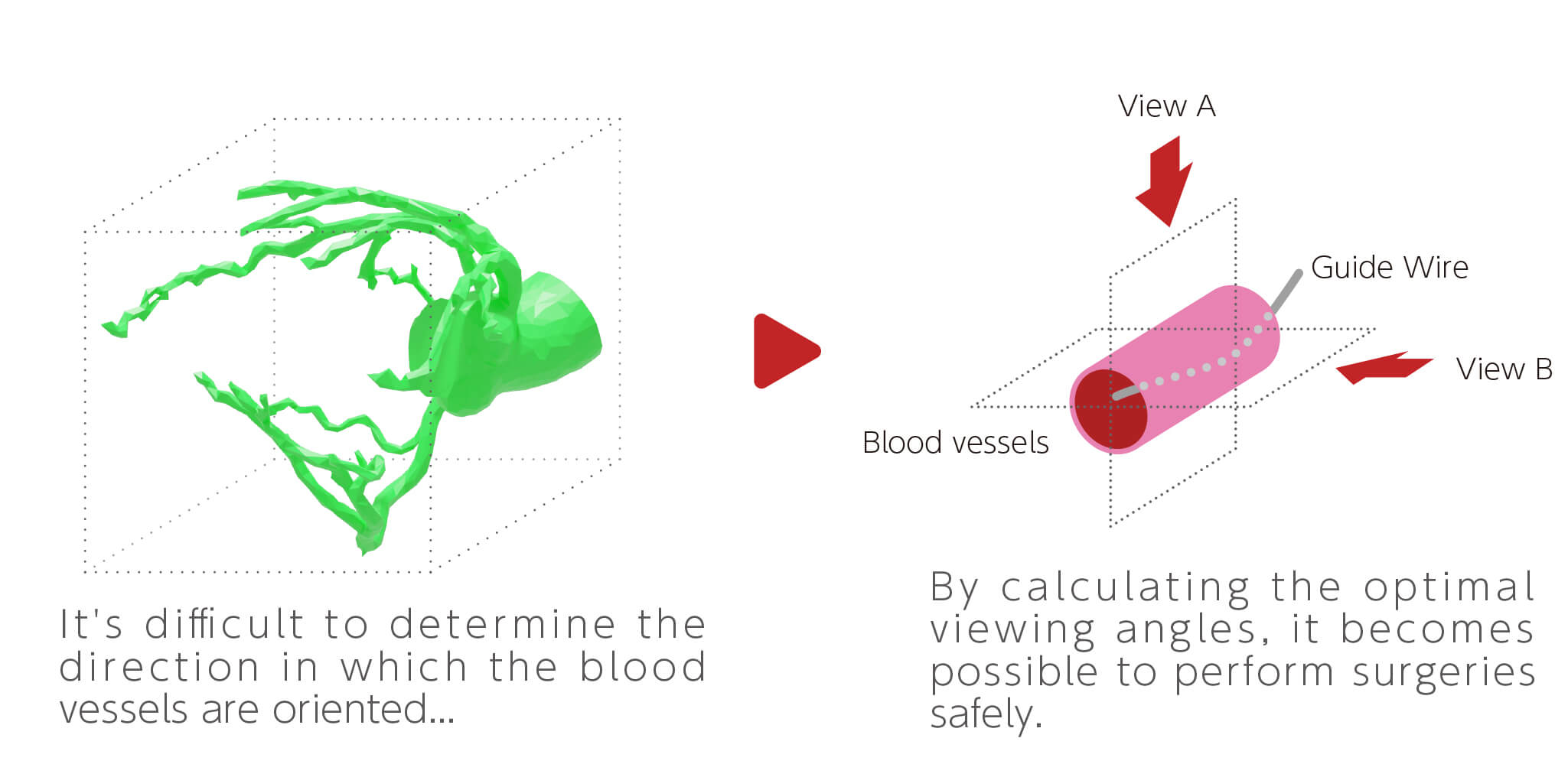
We will improve upon traditional angiographic images, which are two-dimensional and affected by cardiac motion, using image processing technology. By capturing angiographic images of the target from two directions, we can calculate the 3D shape based on the direction of the blood vessels in the images. When viewing the target vessel from one direction (directly above), we calculate the angle at which it appears from the side, allowing us to observe the movement of the guidewire in three dimensions. Additionally, by capturing images in sync with the heartbeat, we can reduce the motion of the heart in the images, making it easier to track the movement of the guidewire. Furthermore, by recording the slightly visible vessel shapes, they can always be confirmed in the images, making it easier to understand the path ahead for the guidewire.
3. Tactile Expression: Resonant Devices
Partner Companies

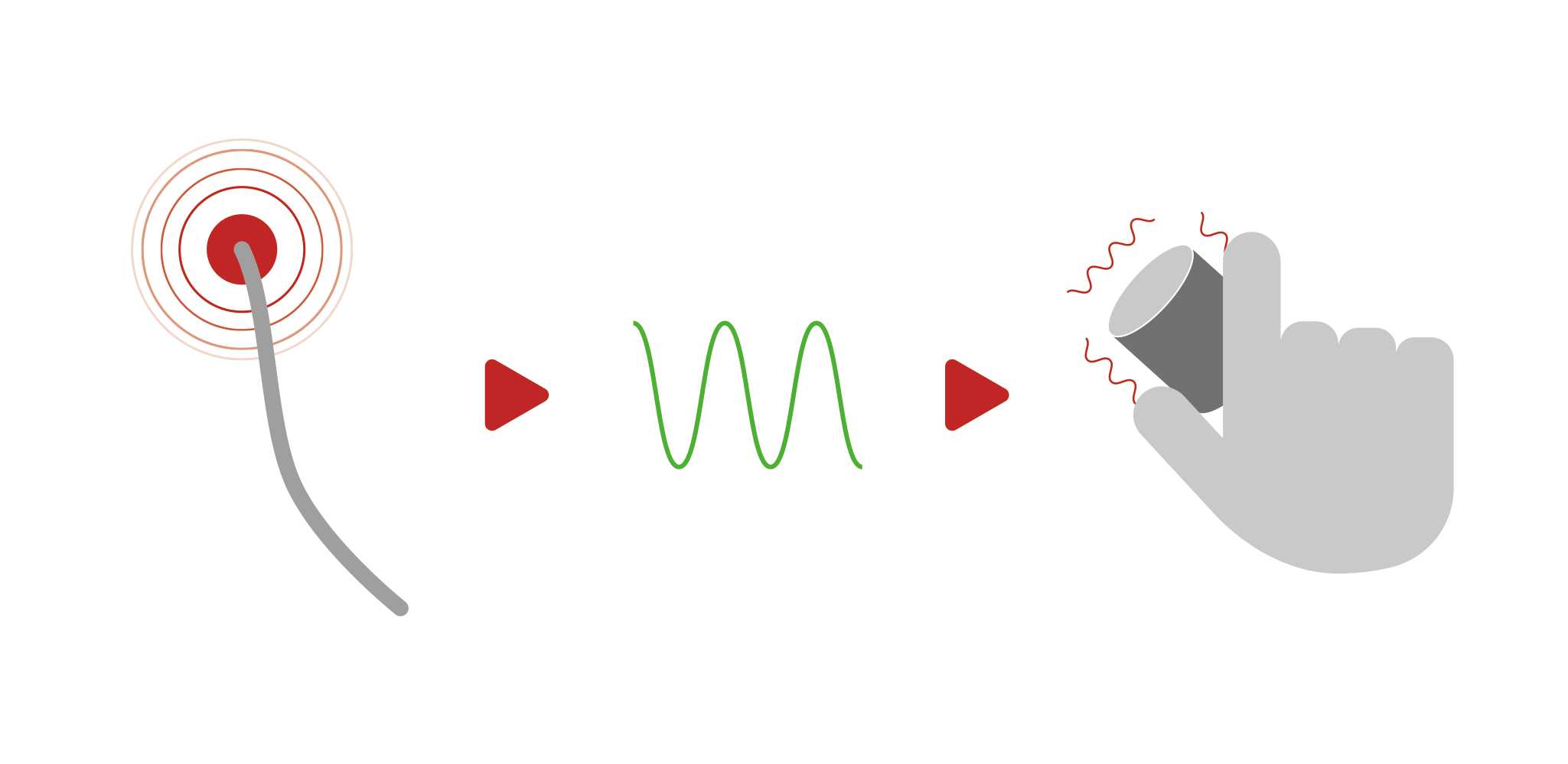
Telemedicine, or remote medical treatment, prevents doctors from accessing tactile sensations, as they are not able to directly touch patients. However, tactile sensation plays a very important role in medical treatments, greatly influencing diagnoses and decisions about treatment. Accordingly, the issue of how to convey the sense of touch to doctors at a distance is a real challenge for telemedicine. Resonant devices are attracting attention as a potential solution. These devices represent a technology capable of conveying physical sensation through vibration. This can provide physicians with real-time tactile sensations correlated with patients in remote locations. In catheter treatments as well, doctors’ ability to feel the hardness of blocked areas and resistance to catheter movements through vibration is expected to lead to more accurate diagnoses and treatments. Introducing resonant devices has the potential to dramatically improve the quality of telemedicine.
4. Robotics: Surgical Support Robots

Making intravascular treatments using doctors’ masterful techniques safely and easily accessible to all with sensing and visualization technologies requires motion technologies — namely, robotics technologies. Once lesions’ locations and conditions are understood, high-precision control technologies will enable the safe, efficient conveyance of medical treatment devices to affected sites.

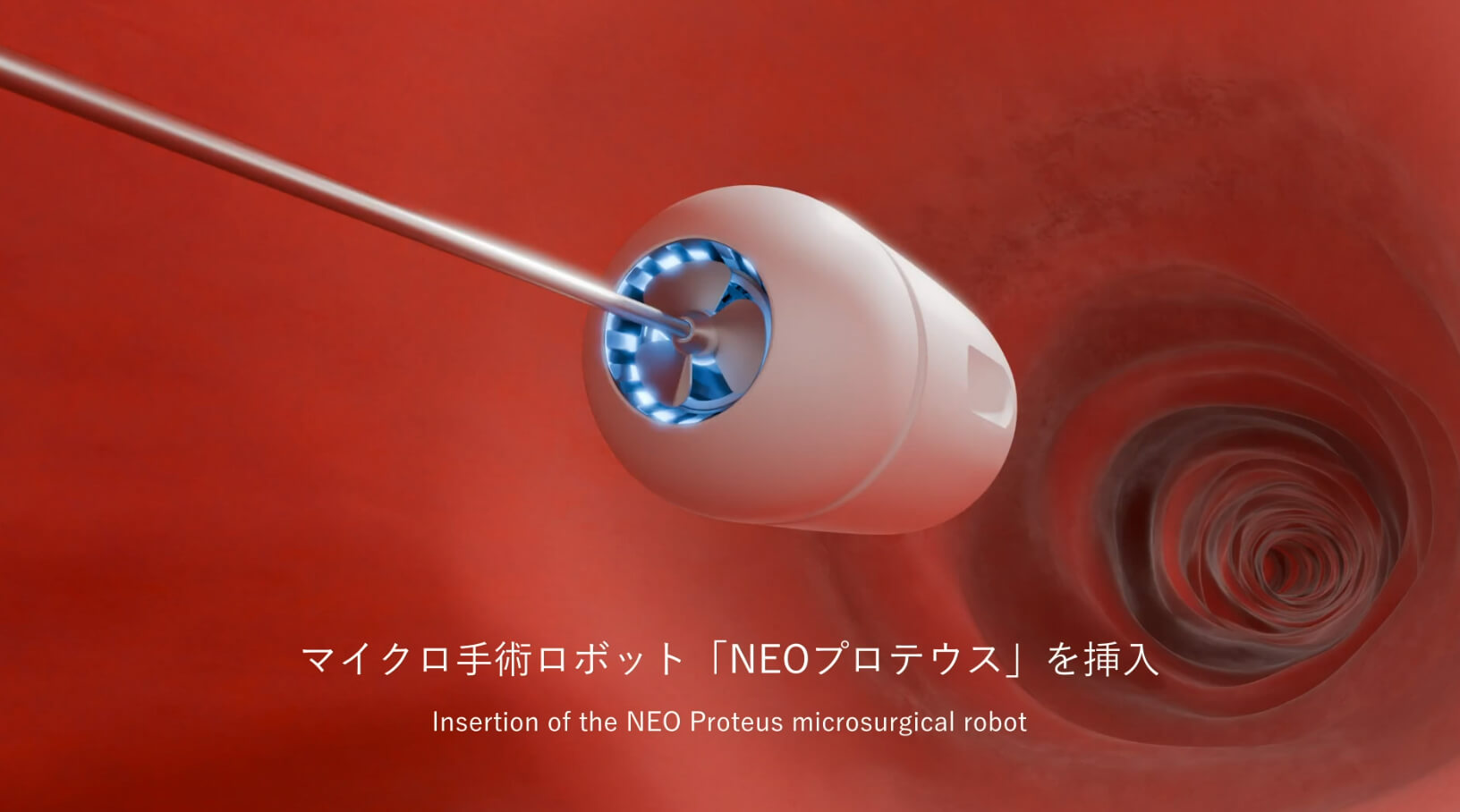
The Future Zone provides a video depicting endovascular treatments about 100 years in the future for visitors to view. Remote treatment is expected to be common in this era, as further advancements in medical treatments have been achieved, building on the technologies commonly used in the near future. The video features the story of microrobots that travel through blood vessels until they reach target lesions semi-automatically and provide on-the-spot treatment.
Background of the Story
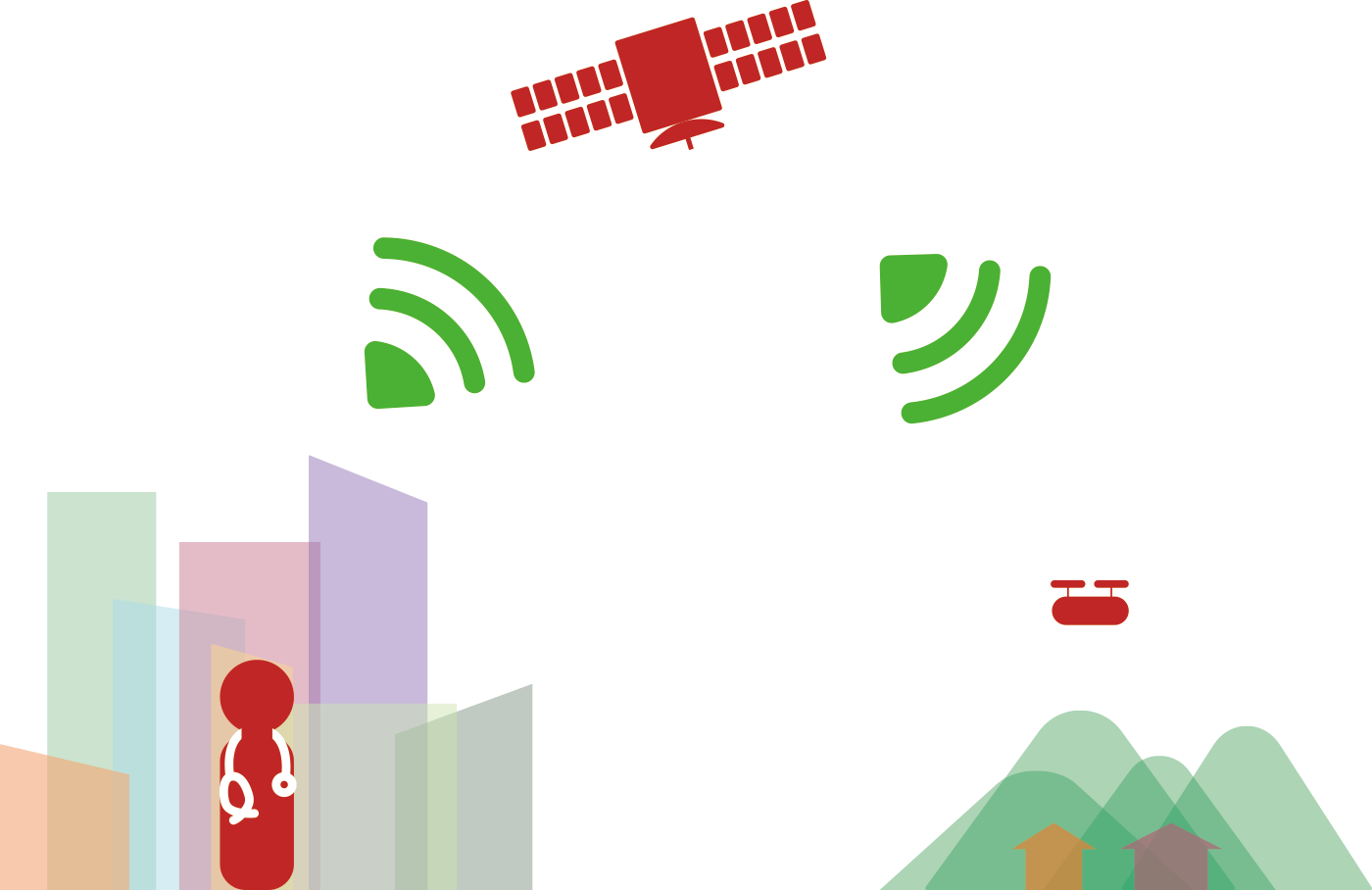
Telemedicine can be projected to be commonplace and widespread in future medical practice. This story depicts a future in which the connection of “flying operating rooms” and “remote operation centers” will enable advanced endovascular treatments to be performed anywhere in the world. Telemedicine will make it possible for advanced medical care to be provided to all people in all places, including treatments that can only be performed in major hospitals today.
Map
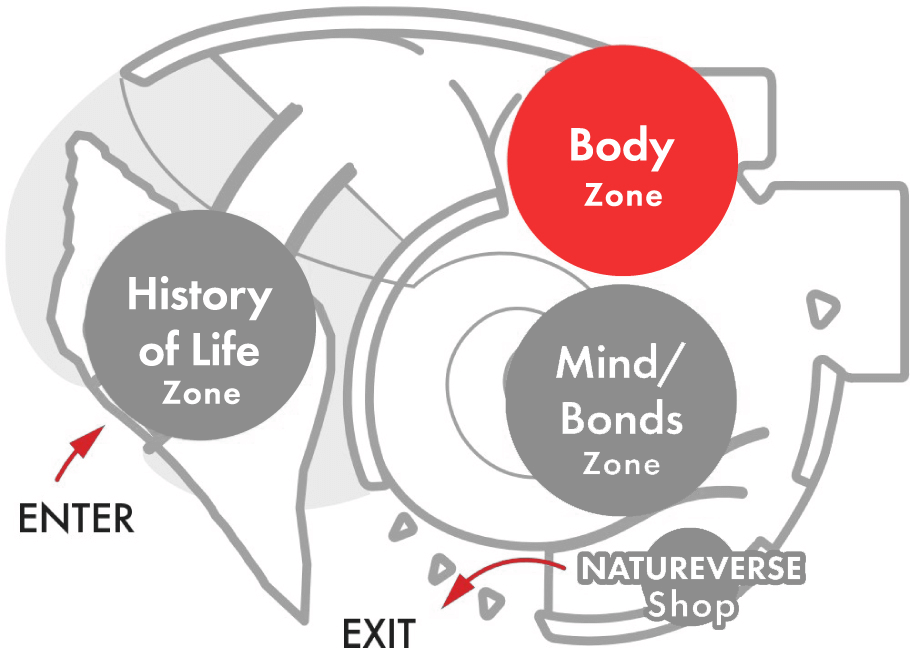
Our exhibition booth, designed to offer visitors experiences of future medical treatment, is located in the Body Zone in the Pasona Group pavilion. Various other approaches to the future of medicine can also be experienced here, including the iPS Heart exhibit. and the Future of Sleep exhibit from MinebeaMitsumi Inc. We look forward to seeing you all at the exhibition.
Pasona Group Pavilion
PASONA NATUREVERSE Special website

Asahi Intecc Co., Ltd.
Corporate website

